

In short: A heated vibrator does everything a regular one does, plus it warms up to around body temperature (ours reach about 100–109°F). Nothing about the vibration changes. What changes is the first touch: instead of cool silicone, it feels soft and warm, which many people find easier to relax into.
If you have ever reached for a toy and flinched at how cold it felt, you already understand the case for a heated vibrator. The difference between a heated and a regular vibrator is smaller than the name suggests, and also more noticeable than you might expect. Here is what actually changes, what stays the same, and how to tell which one suits you.
What a regular vibrator does
A regular vibrator uses a small motor to create vibration, and some models add air-pulse (suction) as well. You choose a mode and an intensity, and that is the whole experience. It is simple and reliable, and for many people it is exactly enough.
The one thing it cannot change is temperature. Silicone and ABS sit at room temperature, which in most homes is well below body temperature. On a winter night, that gap is easy to feel.
What a heated vibrator adds
A heated, or warming, vibrator has a small heating element under the surface. When you switch warmth on, the outside gently rises toward body temperature. On FlowFlow devices you double-press a button, the light turns red, and the surface reaches about 100–109°F, usually within about a minute.
It is meant to feel warm, not hot. Think of a mug you can comfortably wrap your hands around, not a hot-water bottle straight from the kettle.
Heated vs regular: side by side
| Regular vibrator | Heated vibrator | |
|---|---|---|
| First touch | Room temperature, can feel cool | Close to body temperature |
| Vibration and suction | Same | Same |
| Warm-up | None needed | About a minute |
| Battery | Lasts a little longer | Warmth uses some extra charge |
| Best for | Quick, simple sessions | Slower starts, sensitive bodies, cold rooms |
Who tends to prefer warmth
- People who are new to toys. A warm surface feels less clinical and more like skin, which can make a first try feel less intimidating.
- People who find vibration a lot at first. Starting with warmth and the lowest setting gives your body time to settle in before anything feels intense.
- Anyone who likes a slow build. Warmth gives you something gentle to focus on while you breathe and relax.
- Cold rooms and cold seasons. If your bedroom is chilly from October to March, warmth makes a real difference.
When a regular vibrator is enough
If you mostly want something quick, or you already run warm and do not mind cool silicone, warmth may not change much for you. That is fine. On FlowFlow devices warmth is optional: leave it off and every mode works exactly the same.
Is a heated vibrator safe?
Used as directed, yes. The heat stays in a mild range close to body temperature. A few simple habits help:
- Test the warmth on the back of your hand or your inner wrist first.
- Use it on the outside of the body only, and never on irritated or broken skin.
- Start at the lowest level and stop if anything feels uncomfortable.
- Do not use it while it is charging.
How warmth works in each FlowFlow
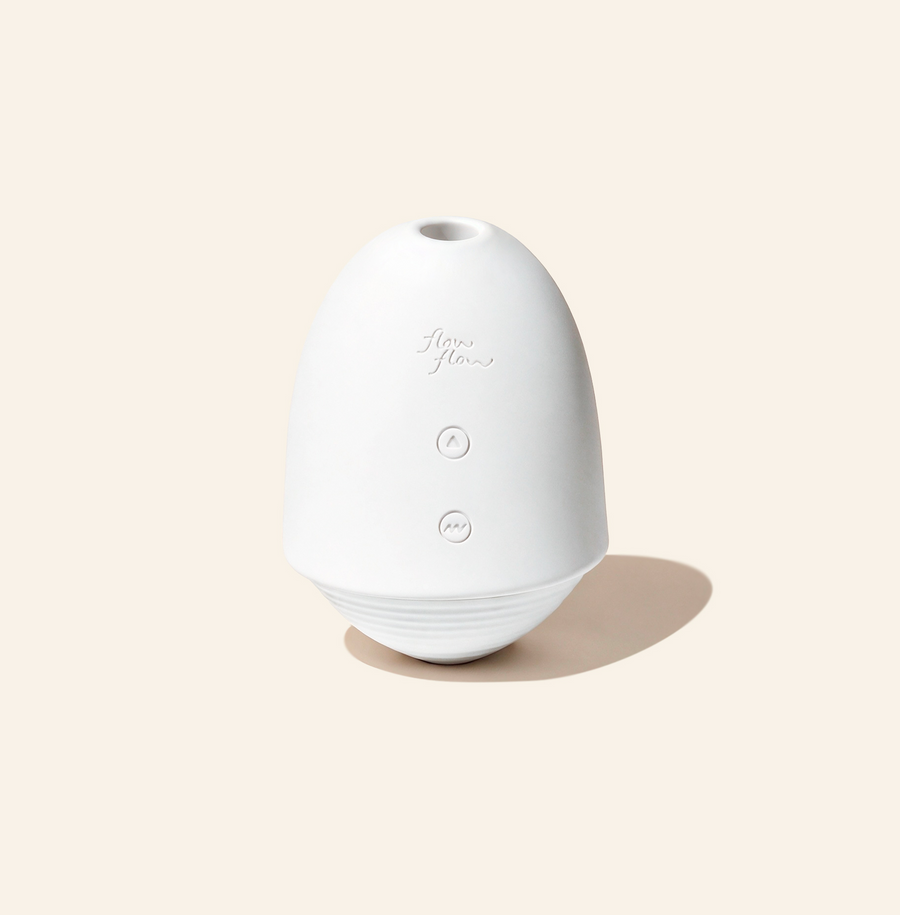
- Pépite: small and simple, with 10 air-pulse and 10 vibration modes. Double-press the suction button for warmth. A gentle place to begin.
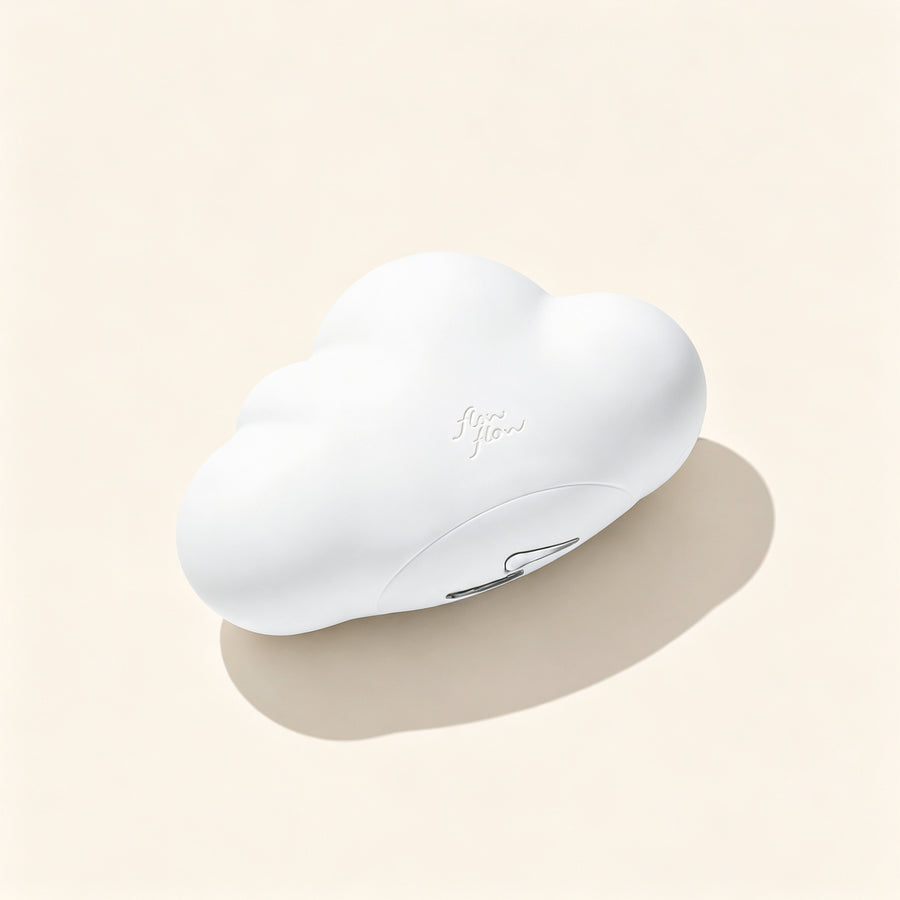
- Mousse: cloud-shaped and palm-sized, with 10 air-pulse and 10 vibration modes. Double-press for warmth and the light turns red.
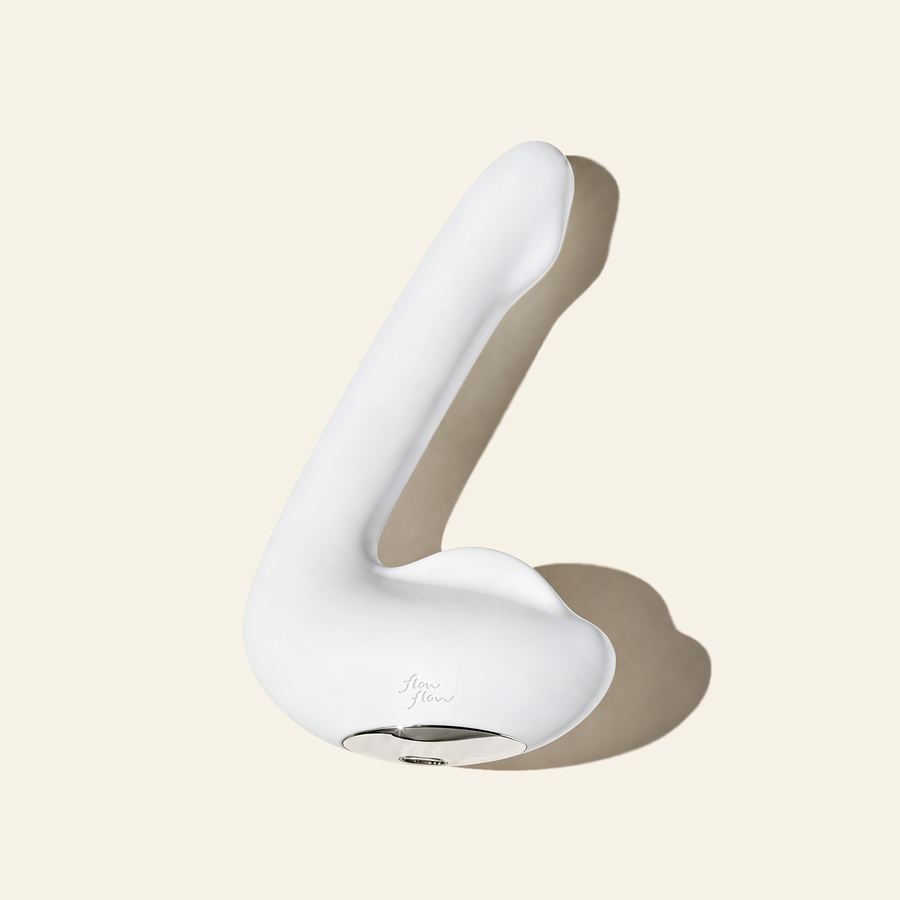
- Plume: a flexible dual-zone vibrator with 10 modes in each zone. Double-press the main button for warmth.
All three are body-safe silicone and ABS, splash-resistant (IPX6), and arrive in a plain box.
Quick answers
What is the difference between a heated and a regular vibrator?
A heated vibrator warms its surface to about body temperature. The vibration and suction are the same as a regular vibrator.
How hot does a heated vibrator get?
Ours reach about 100–109°F, close to body temperature. It should feel warm, never hot.
Is a warming vibrator worth it?
If cold toys put you off, or you like a slower and cozier start, warmth makes a noticeable difference. If not, you can simply leave it off.
Educational information only; not medical advice. Last reviewed October 31, 2026.
Shop Related Products
 + Free journal


