

In short: Using a vibrator for the first time works best slowly: start on the lowest setting, over clothing or a blanket if you like, and give yourself time without a goal. Nothing has to happen the first time.
Body Talk · Gentle Rituals
There is a lovely freedom in a beginning that does not ask you to have all the answers. Your first personal wellness device is not a test of how well you know your body. It can be an invitation to listen: to the sensation you are curious about, the pace that feels kind, and the quiet moments that belong only to you.
Perhaps you are picturing a slow evening when the day finally softens. Perhaps you have only a few private minutes. Start there. You do not need certainty before curiosity.
Listen for what calls to you
Ask yourself what you are curious about: a compact external format, several functions in one device, or a shape designed for two zones. More settings do not automatically mean a better fit. The useful question is whether the shape and controls are ones you would feel comfortable learning.
Meet the three FlowFlow options
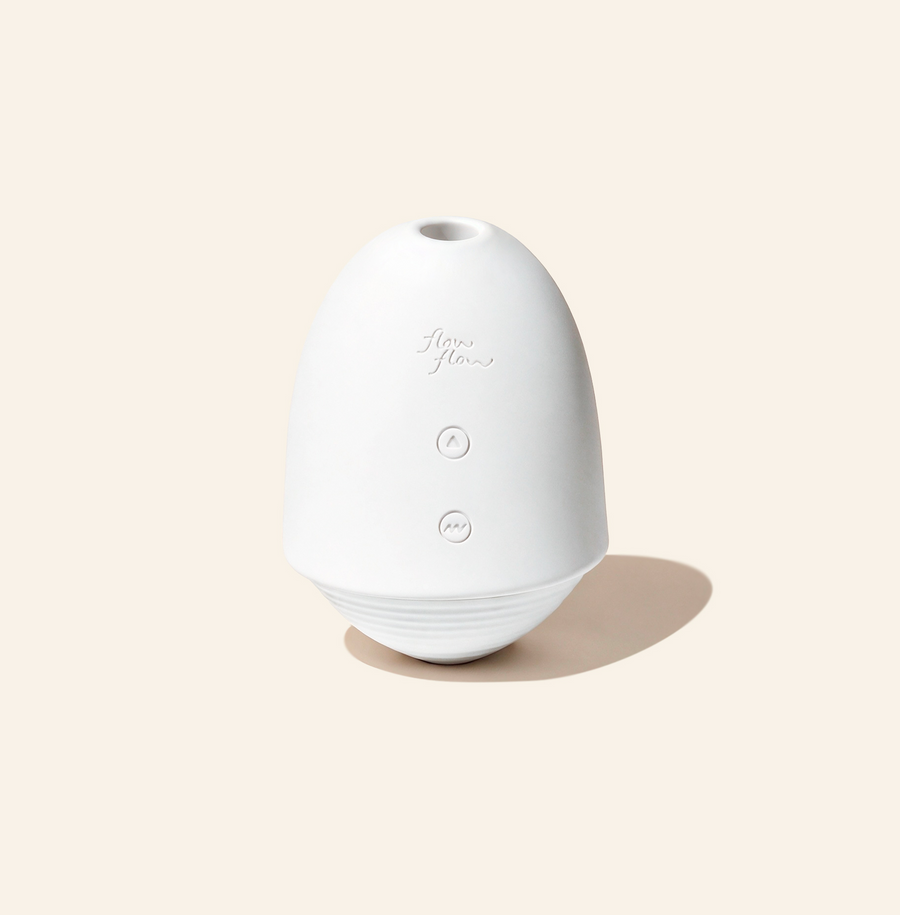
- Pépite is the compact option. It combines air-pulse sensation, rhythm, and warmth. It may appeal if you want to begin with an external format and explore those functions gradually.
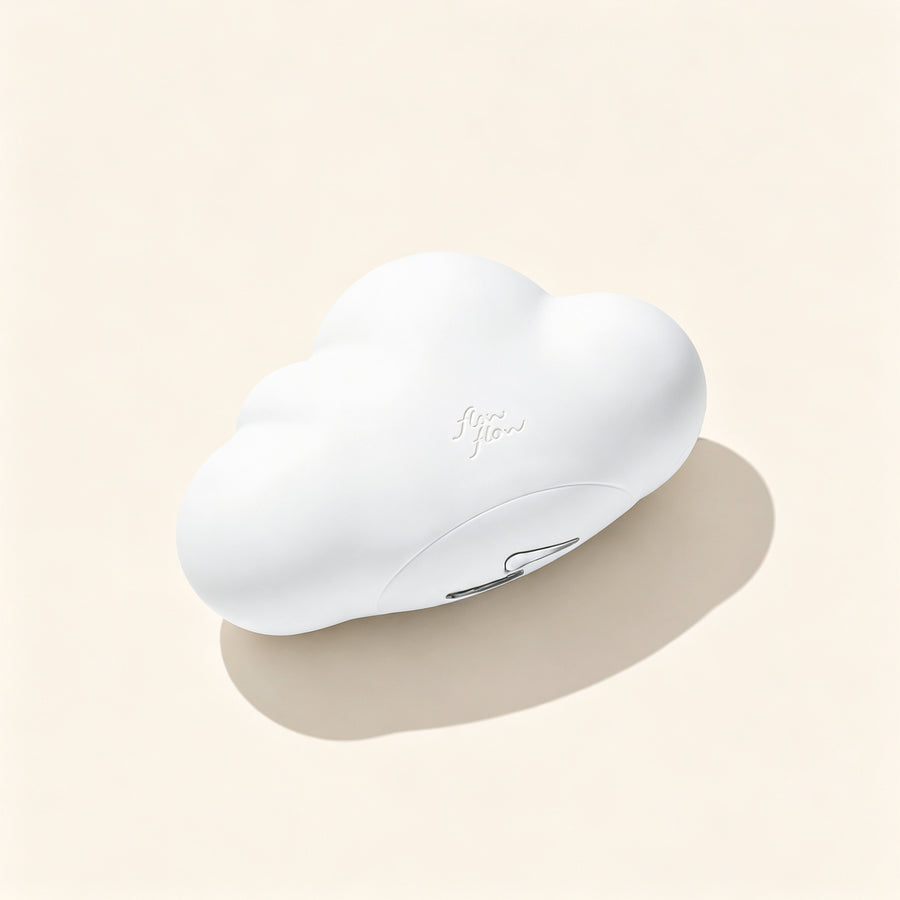
- Mousse combines air-pulse sensation, rhythm, gentle heat, and a microcurrent mode. It offers more ways to switch between functions; read its controls and precautions before using each mode.
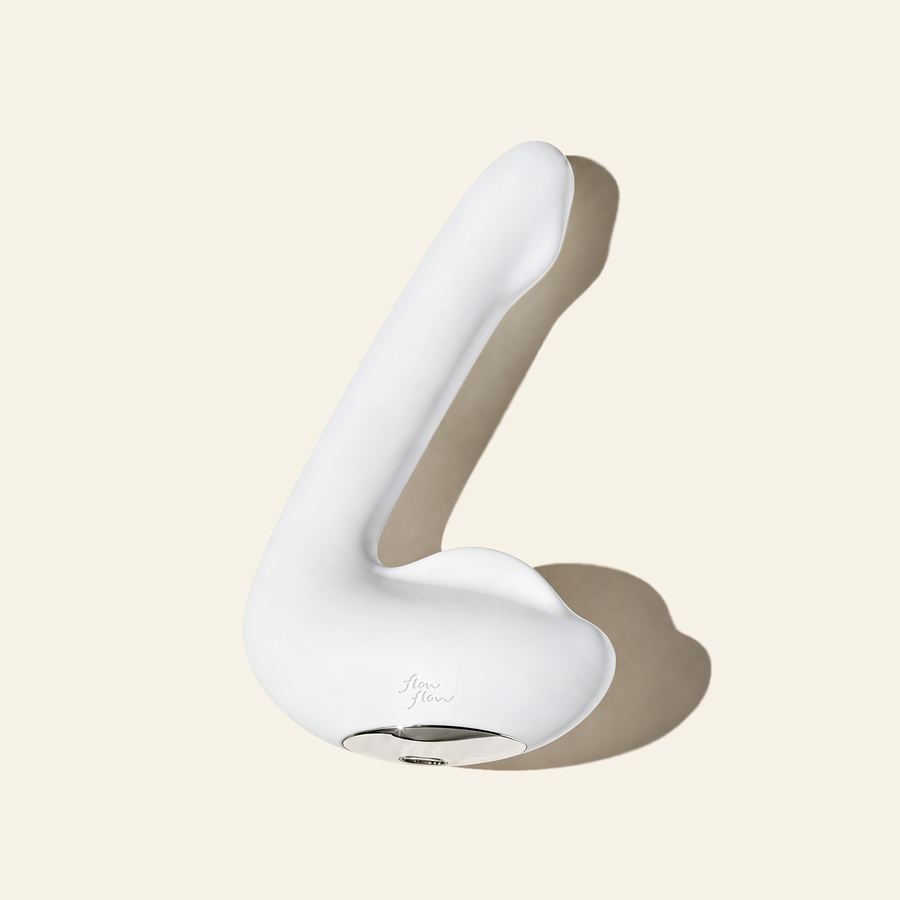
- Plume has two rhythm zones and warmth. Its dual-zone shape is a different format to consider if that kind of exploration interests you. Check its dimensions and product photos before choosing.
These are descriptions of design, not promises about how any product will feel in your body. Sensation and comfort are personal, and your preferences may change from one day to another.
Let the first moment be yours
If you are new, you might want one quiet moment to learn the controls without expecting a particular result. If you already know what you enjoy, you might be ready to compare a new function or format. Either way, the manuals recommend charging before first use, starting at a low or moderate intensity, and stopping if discomfort or irritation occurs.
A short checklist before you choose
- Which sounds more inviting today: air-pulse sensation, rhythm, or a two-zone design?
- Would you rather begin with a compact shape or explore more functions?
- Have you checked the photos, dimensions, charging method, and care instructions for the model?
For a suggested starting point, take the three-question FlowFlow Quiz. Then use the side-by-side product comparison to test that suggestion against the actual features. You can also read about air-pulse sensation versus rhythm, external versus dual-zone formats, or warming features. The right beginning is the one that leaves you room to be curious, without asking you to become someone else.
Your nervous system belongs in the decision
Desire does not arrive on command. Stress, fatigue, medication, hormonal changes, body image, and the emotional weather of a relationship can all shape responsiveness. ACOG also notes that some people experience desire only after pleasurable activity has begun. That means “I am not sure yet” can be an honest starting point rather than a problem to solve.
Before choosing a device, try a one-minute body check-in: unclench your jaw, lower your shoulders, take three slow breaths, and notice whether you want softness, steady rhythm, novelty, or simply rest. The answer may change from day to day. A useful product is one that leaves room for that change.
A first-session practice without a finish line
Learn the controls while fully clothed or by testing the sensation on your hand. When you feel ready, begin indirectly and at the lowest comfortable setting. Pause after thirty seconds and ask: Do I want more, less, a different placement, or to stop? This is interoception—the practice of noticing signals from inside the body. It turns exploration into a conversation rather than a performance.
External anatomy varies widely. The external body includes the labia, bodyl opening, and the visible part of the sensitive external area; much of the sensitive external area extends inside the body. No diagram can predict your preferred pressure or rhythm. Curiosity, consent, and comfort are more useful guides than comparison.
When to pause and ask for support
Persistent pain, burning, bleeding, numbness, or distress deserves professional attention. A device should not be used to push through pain or treat a medical condition. If pregnancy, postpartum recovery, pelvic pain, surgery, or a health condition affects your choices, ask a qualified clinician what is appropriate for you.
Quick answers
What does a vibrator feel like the first time?
Often like a buzz or a soft pulse that takes a minute to get used to. Many people find it feels better after a few sessions, once the novelty settles.
Should I use lube with a vibrator?
A little water-based lube can make things more comfortable, especially with silicone toys. Avoid silicone-based lube on silicone toys.
How long should I use it?
As long as it feels good. Five relaxed minutes is a perfectly good first try.
Mentioned in this guide: Pépite · small warming suction toy · Mousse · cloud-shaped warming suction toy
Keep reading: How to choose your first vibrator · Vibrator too intense?
Educational information only; not medical advice. Last reviewed September 20, 2026.
Continue your ritual
Shop Related Products
 + Free journal


